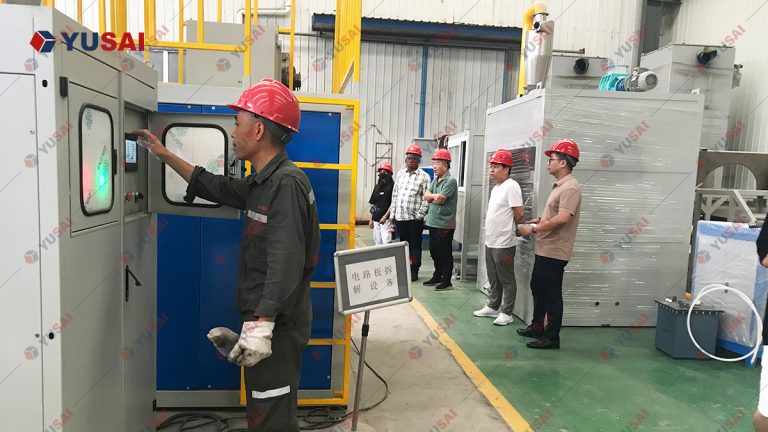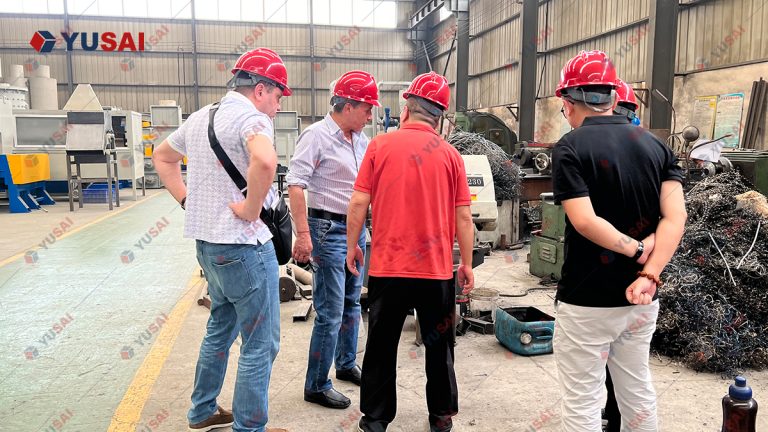
In the face of dwindling natural resources, e-waste urban mining has emerged as a cornerstone of the global circular economy. Unlike traditional virgin mining—which relies on the energy-intensive exploitation of natural mineral deposits—urban mining focuses on recovering precious metals and high-value materials from end-of-life electronic equipment.
By transforming electronic waste into reusable resources, businesses can significantly reduce their ecological footprint while securing their supply chains.
1. Unlocking High-Value “Urban Minerals”: Gold, Palladium, and Beyond
Electronic waste is widely recognized as the world’s most valuable “urban mineral” resource. The concentration of precious metals in e-waste is often significantly higher than in natural ores.
Precious Metal Concentration: One ton of waste circuit boards contains a far higher concentration of gold, silver, and copper than an equivalent ton of high-grade ore.
Critical Raw Materials: Consumer electronics, server infrastructure, and industrial controllers are embedded with rare earth metals, palladium, and cobalt—materials essential for modern high-tech manufacturing.
High-Purity Refining: Through professional recycling and advanced smelting, these materials are transformed back into high-purity industrial raw materials, ready for a new life cycle.
2. Reducing Carbon Footprints and Environmental Impact
Urban mining is a powerful tool for enterprises aiming for carbon neutrality and Net-Zero goals.
Energy Efficiency: Traditional mining is notorious for large-scale land destruction, soil erosion, and massive energy consumption. In contrast, e-waste recycling and remanufacturing consume up to 80% less energy than primary extraction.
Ecological Preservation: By recovering materials from existing products, we reduce the demand for new mining projects, protecting biodiversity and preventing further water and soil pollution.
Sustainable ESG Performance: Utilizing recycled materials directly lowers an enterprise’s Scope 3 carbon emissions, a key metric for ESG (Environmental, Social, and Governance) reporting.
3. Stabilizing Global Supply Chains with Secondary Raw Materials
As the global market faces metal price volatility and supply chain disruptions, urban mining provides a stable, localized source of secondary raw materials.
Resilience Against Scarcity: With natural mineral reserves depleting, recycled metals offer a “buffer” for the electronics, new energy vehicle (EV), and precision instrument industries.
Reducing Market Fluctuations: A robust urban mining strategy helps manufacturers mitigate the risks of rising raw material prices and geopolitical supply constraints.
4. Meeting Consumer Demand for “Green” Brands
Modern consumers—and international regulatory bodies—are increasingly demanding transparency in material sourcing.
Recycled Material Integration: Leading global brands are now prioritizing the use of recycled e-waste materials in their latest product lines to appeal to eco-conscious consumers.
Green Transformation: As a core link in the circular economy, urban mining is not just an environmental necessity; it is a driver of long-term economic value and brand loyalty.