Many businesses and institutions still opt for informal channels to dispose of outdated electronic equipment, driven primarily by short-term cost savings. However, the hidden risks of informal e-waste disposal far outweigh any initial financial gain.
For global enterprises, certified e-waste recycling is the only way to ensure long-term safety, legal compliance, and sustainable asset value. Here is why the professional approach wins every time.
1. Environmental Impact: Primitive Smelting vs. Closed-Loop Processing
Informal e-waste “recycling” often relies on primitive dismantling and open burning. This uncontrolled process releases hazardous heavy metals and toxic gases into the soil and water.
The Risk: These unregulated behaviors violate global environmental agreements, potentially triggering international trade sanctions and corporate reputation crises.
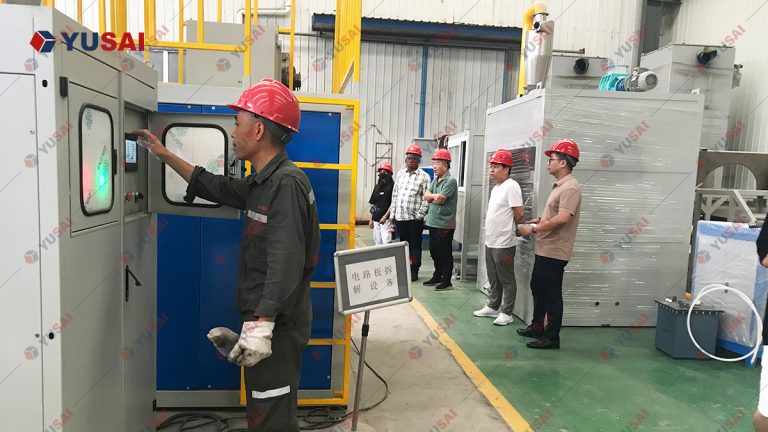
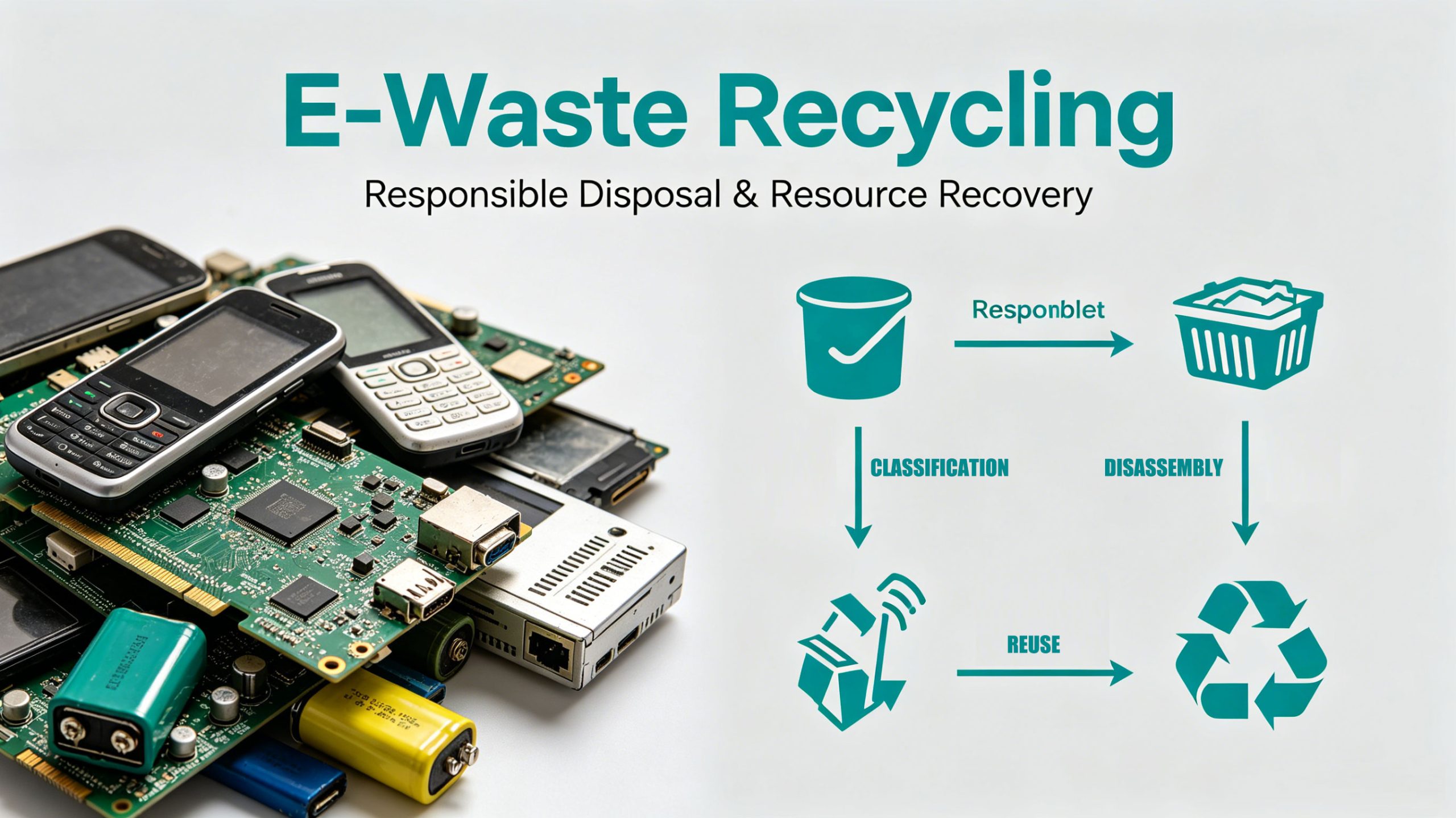
The Certified Solution: Professional recyclers utilize closed-loop processing systems. E-waste is classified, dismantled, and separated in standardized, high-tech workshops that minimize pollution and meet international environmental standards.
2. Data Security: The Dangerous Gap in Information Protection
The difference in data security between formal and informal vendors is night and day. Informal vendors focus exclusively on metal recovery, often ignoring the sensitive data left on storage devices.
The Risk: Residual business records, customer information, and proprietary technical data can be easily stolen or resold, leading to catastrophic commercial leaks and massive legal disputes under GDPR or CCPA.
The Certified Solution: Certified companies provide a transparent Chain of Custody. They issue official Data Destruction Certificates, ensuring that every kilobyte of data is physically or electromagnetically eliminated.
3. Resource Efficiency: Maximizing Recovery and ROI
Informal dismantling is notoriously inefficient, leading to a massive loss of precious metals and reusable components during the crude extraction process.
The Risk: Clients lose out on the true residual value of their equipment due to poor recovery techniques.
The Certified Solution: Modern recycling plants use advanced mechanical sorting, magnetic separation, and precise manual classification. This maximizes the recovery rate of high-value materials like copper, gold, silver, and aluminum, delivering stable and transparent economic returns for the client.
4. Global Logistics and Customs Compliance
For cross-border traders and corporate buyers, the paperwork is as important as the process itself.
The Bottleneck: Informal disposal provides no trail, which can lead to shipment detentions and order losses when audits occur.
The Advantage: Certified recycling supports your supply chain with complete customs clearance documents and quality inspection reports. This prevents logistical delays and ensures your operations remain “green” and compliant in every jurisdiction.
Conclusion: Protect Your Assets and Your Reputation
Choosing certified e-waste recycling is not just about waste management; it’s about Risk Management. For global enterprises aiming for safe disposal, green development, and asset preservation, the choice is clear: formal certification is the only reliable path forward.