In the global recycling industry, WEEE (Waste Electrical and Electronic Equipment) compliance is more than an environmental standard—it is the essential threshold for international trade. For e-waste exporters and cross-border recycling businesses, adhering to the WEEE Directive (widely adopted across the EU and other key global regions) is the only way to avoid shipment rejections and secure long-term stability in overseas markets.
This guide outlines the three critical pillars of WEEE compliance for successful international e-waste exportation.
1. Foundation: Accurate E-Waste Classification
The first step toward WEEE compliance is a standardized classification system. Mislabeling is a primary cause of customs delays and administrative fines.
Unified Categories: All equipment must be categorized into IT equipment, consumer electronics, industrial control devices, or household appliances.
Testing for Reusability: Used equipment intended for resale requires rigorous functional testing and qualification certification to be classified as “reusable” rather than “waste.”
Hazardous Labeling: Waste electronic scrap must carry clear hazard classification labels to prevent misidentification during customs inspections and ensure safe handling.
2. Traceability: The Power of Complete Documentation
Cross-border e-waste trade is highly scrutinized. Exporters must maintain a transparent “Chain of Custody” to prove the legal and ethical origin of their materials.
Essential Documents: Exporters must provide certificates of legal source, processing qualification reports, and detailed shipment records.
Audit Trails: Every step, from collection at the source to the final shipping container, must be documented.
Efficiency Tip: Partnering with WEEE-certified recycling facilities can streamline the documentation process, significantly improving customs clearance efficiency and reducing the risk of administrative penalties.
3. Standards: Environmental Processing and “Closed-Loop” Systems
WEEE compliance extends to how the materials are actually processed before or after export. Primitive methods are strictly prohibited under international law.
Prohibited Methods: Open-air burning and primitive manual dismantling are forbidden due to their toxic environmental impact.
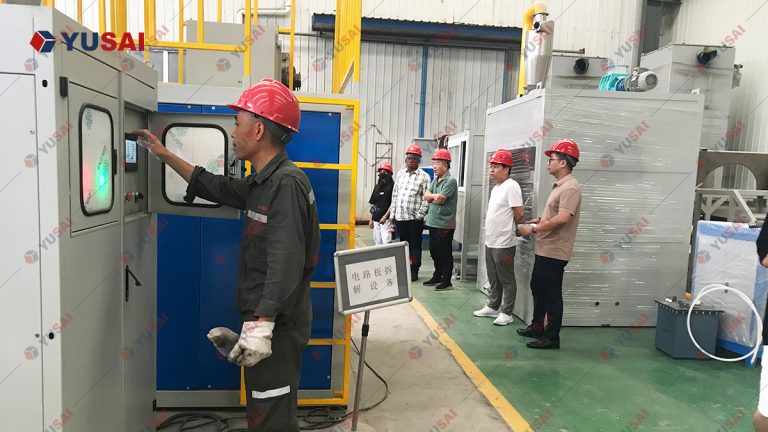
Standardized Workshops: All processing must occur in closed-loop workshops equipped with advanced gas and wastewater treatment systems.
EU Emission Compliance: Facilities must prove they meet or exceed EU environmental emission standards to remain part of a compliant supply chain.
Conclusion: Building Brand Credibility Through Compliance
For global exporters, long-term WEEE compliance management is a powerful tool for brand building. By adhering to standardized classification, maintaining complete documentation, and ensuring compliant processing, businesses can:
1. Reduce Trade Barriers: Smooth the path through complex international regulations.
2. Expand Market Reach: Gain access to high-value European and North American recycling channels.
2. Ensure Sustainability: Build a future-proof export business that thrives on transparency and environmental responsibility.