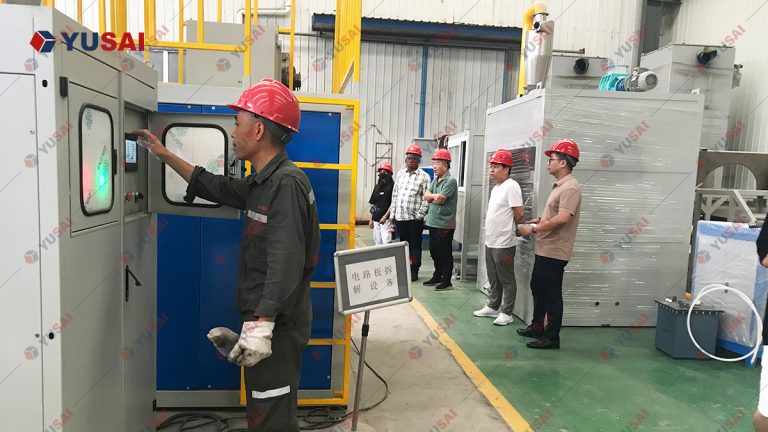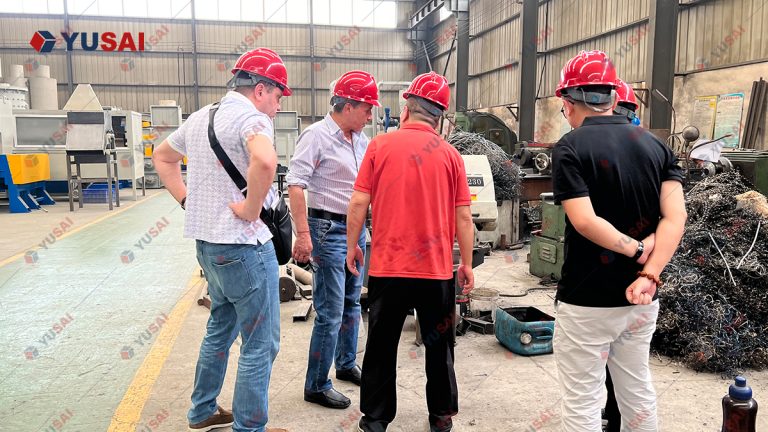
Driven by the explosive growth of consumer electronics, New Energy Vehicles (NEVs), and large-scale energy storage systems, lithium-ion battery waste has emerged as the fastest-growing and most valuable segment of the global e-waste industry.
Recovering high-value metals such as lithium, cobalt, and nickel is no longer just an environmental goal; it is a high-margin strategic necessity for the green energy transition.
1. Market Segmentation: From Consumer Electronics to EV Batteries
The stream of waste lithium batteries is primarily categorized into two major sectors, each requiring specialized handling:
Consumer Batteries: Millions of smartphones, laptops, and power banks reach their end-of-life (EoL) annually, creating a steady stream of small-scale battery waste.
Power & Storage Batteries: The surge in Electric Vehicles (EVs) and industrial energy storage stations is producing large-scale battery scrap.
The Risk: These batteries cannot be landfilled. Improper disposal leads to chemical leakage, thermal runaway, and catastrophic explosions, posing severe environmental and safety hazards.
2. Advanced Recovery Technologies: Turning Waste into “Black Mass”
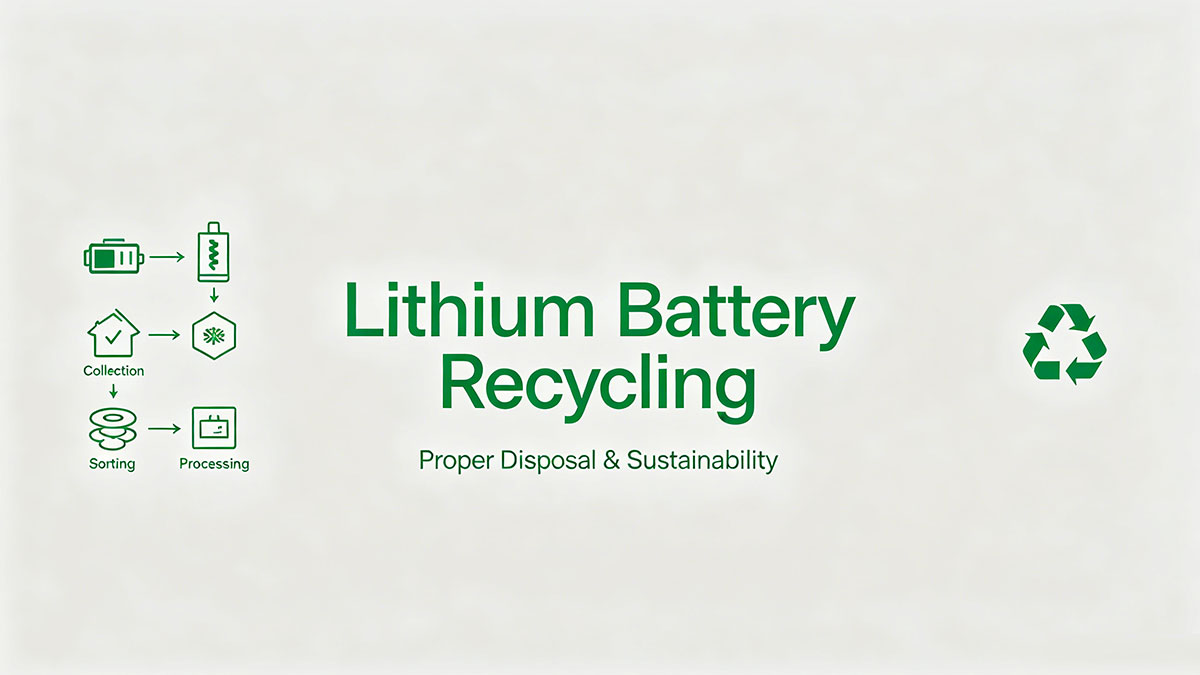
Professional battery recycling utilizes a combination of hydrometallurgical and pyrometallurgical processes to extract raw materials with battery-grade purity.
Closed-Loop Economy: Extracted lithium, cobalt, nickel, and manganese can be fed directly back into the manufacturing of new battery cells. This forms a perfect closed-loop supply chain.
Sustainability Advantage: Compared to traditional primary mining, battery recycling reduces energy consumption by up to 70% and significantly lowers the carbon footprint of battery production.
Black Mass Production: The intermediate stage of shredding and sorting produces Black Mass, a high-value concentrated powder that is highly traded in global metallurgical markets.
3. Policy Compliance and Extended Producer Responsibility (EPR)
Global regulatory landscapes are tightening. Governments worldwide are implementing strict battery recycling mandates to ensure safe and transparent processing.
Regulatory Pressure: Many regions now ban the random disposal of lithium batteries and require manufacturers to adhere to Extended Producer Responsibility (EPR) frameworks.
Economic Gains: Standardized recycling not only mitigates legal and environmental risks but also provides a stable revenue stream through the recovery of precious and strategic metals.
4. The Future Outlook: A Core Track of the E-Waste Industry
As the new energy industry continues its rapid expansion, the volume of waste lithium batteries is projected to grow exponentially. Companies that invest in professional, compliant, and efficient recycling infrastructure will be at the core of the global e-waste track.
By balancing sustainable profits with environmental stewardship, lithium battery recycling is set to remain the most promising sector of the modern circular economy.